


Time:Aug 08, 2023 Views:544
In some commercial areas, due to limitations in transformer capacity, photovoltaic power generation is not allowed to sell electricity online. In some places, the power grid is unstable, and in others, the electricity price is very cheap, but the electricity price is high, with a large difference between peak and valley prices. If photovoltaic is installed in these places, it is suitable to use a parallel off grid energy storage system. Its biggest feature is that it can be connected to the grid for power generation, stored energy, and can also be operated separately off the grid.
There are four main ways to profit from photovoltaic parallel off grid energy storage systems: one is to use photovoltaic power to supply power to the load, which can be set to output at peak electricity prices to reduce electricity expenses; Secondly, it is possible to charge during peak periods and discharge during peak periods, utilizing the price difference between peak and valley periods to make money; Thirdly, if it is not possible to sell electricity online, a reverse current prevention system can be installed. When the photovoltaic power is greater than the load power, excess energy can be stored to avoid waste; When the power grid is cut off, the photovoltaic system can continue to generate electricity without waste. The inverter can switch to off grid operation mode, and the system continues to operate as a backup power source. The photovoltaic and battery can supply power to the load through the inverter.
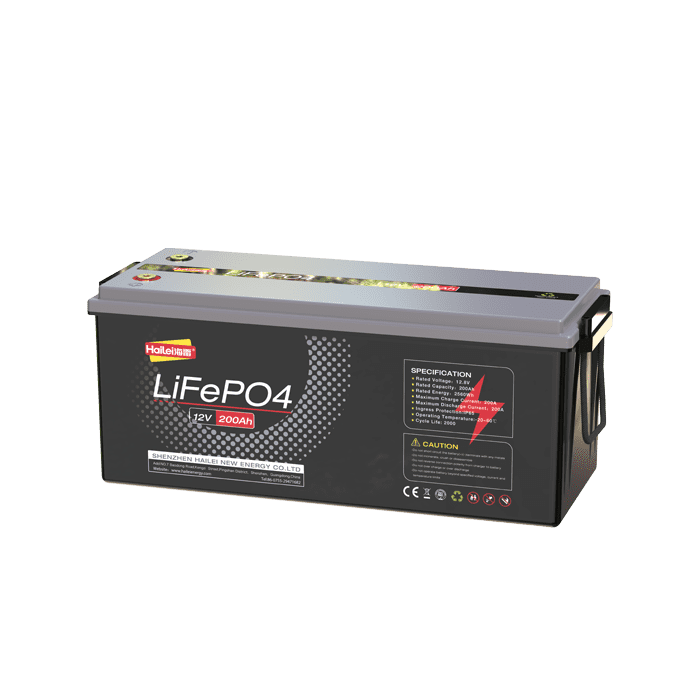
1、 Comparison of technical routes for parallel and offline systems
https://www.nxbtx.com/products/
There are many technical routes for parallel off grid optical storage systems, including solar modules, controllers, inverters, batteries, loads, and other equipment. According to the method of energy aggregation, there are currently two main topologies: DC coupling and AC coupling.
01 DC coupling
As shown in the figure below, the direct current generated by the photovoltaic module is stored in the battery pack through the controller, and the power grid can also charge the battery through a bidirectional DC-AC converter. The convergence point of energy is at the DC battery end.
The working principle of DC coupling: When the photovoltaic system is running, the MPPT controller is used to charge the battery; When there is a demand for electrical load, the battery will release electricity, and the magnitude of the current is determined by the load. The energy storage system is connected to the power grid, and if the load is small and the battery is fully charged, the photovoltaic system can supply power to the grid. When the load power is greater than the photovoltaic power generation power, the power grid and photovoltaic can simultaneously supply power to the load. Because photovoltaic power generation and load electricity consumption are not stable, they rely on battery balancing system energy.
02 AC coupling
As shown in the figure below, the direct current generated by the photovoltaic module is converted into alternating current through an inverter, which is directly fed to the load or sent to the power grid. The power grid can also charge the battery through a bidirectional DC-AC bidirectional converter. The convergence point of energy is at the communication end.
The working principle of AC coupling: including photovoltaic power supply system and battery power supply system. The photovoltaic system consists of a photovoltaic array and a grid connected inverter; The battery system consists of a battery pack and a bidirectional inverter. These two systems can operate independently without interfering with each other, or they can form a microgrid system independent of the large power grid.


Be the first to receive our latest news, how-to user guides, and exclusive deals! Subscribe now.




X


Appointment Experience

 English


