


Time:Jul 04, 2023 Views:649
When designing energy storage systems, we often involve peak shaving and valley filling. Generally, a portion is reserved for emergency backup (adjustable), with valley charging, peak discharge, flat charging, and peak discharge. The energy storage system is designed with lithium-ion batteries as the basic energy storage unit, and achieves AC and DC energy conversion and energy flow control through bidirectional converters, achieving mutual conversion between battery energy and grid energy. In the process of energy conversion, the energy storage system can achieve functions such as improving the power quality of the power grid, peak shaving and valley filling, and emergency backup.
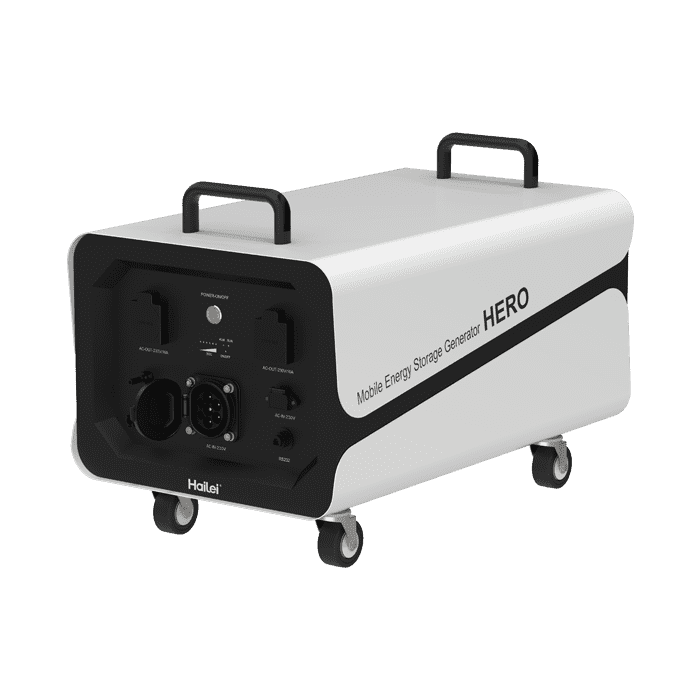
The operation strategy of the energy storage system is to cut peak and fill valley:
During periods of low electricity prices, the energy storage system absorbs energy from the power grid to achieve the goal of filling the valley of the power grid;
2. During peak electricity usage periods with high electricity prices, the energy storage system releases electricity to the grid, reducing electricity usage during peak electricity usage periods with high electricity prices, and achieving the goal of peak shaving of the grid;
Due to the difference in electricity prices between peak and valley periods, electricity expenses are reduced and the dependence of the factory on the power grid during peak electricity consumption periods is reduced. By cutting peak and filling valley, the utilization rate of power generation equipment can be improved, which is beneficial for the stable operation and economic benefits of the power grid.


Be the first to receive our latest news, how-to user guides, and exclusive deals! Subscribe now.





X


Appointment Experience

 English


