


Time:Oct 19, 2026 Views:98
Storage Is Becoming a Practical Choice for Homes and Businesses
In Nigeria, reliable electricity remains a practical challenge for many households and businesses. As power-sector reform and distributed energy deployment continue, energy storage is becoming an increasingly viable part of the solution. Hailei has delivered multiple residential and commercial & industrial energy storage projects in the local market, helping support more stable and sustainable electricity use across different scenarios.
Reliable Power Remains a Real-World Need
Power-supply instability remains a persistent issue in parts of Nigeria:
· Frequent outages still affect some areas
· Many businesses remain highly dependent on diesel generators
· Residential electricity supply can be uncertain at night or during peak periods
These challenges affect everyday life and can also increase operating costs and business risk. For many users, continuity of power is no longer a “nice to have”—it is a core requirement.
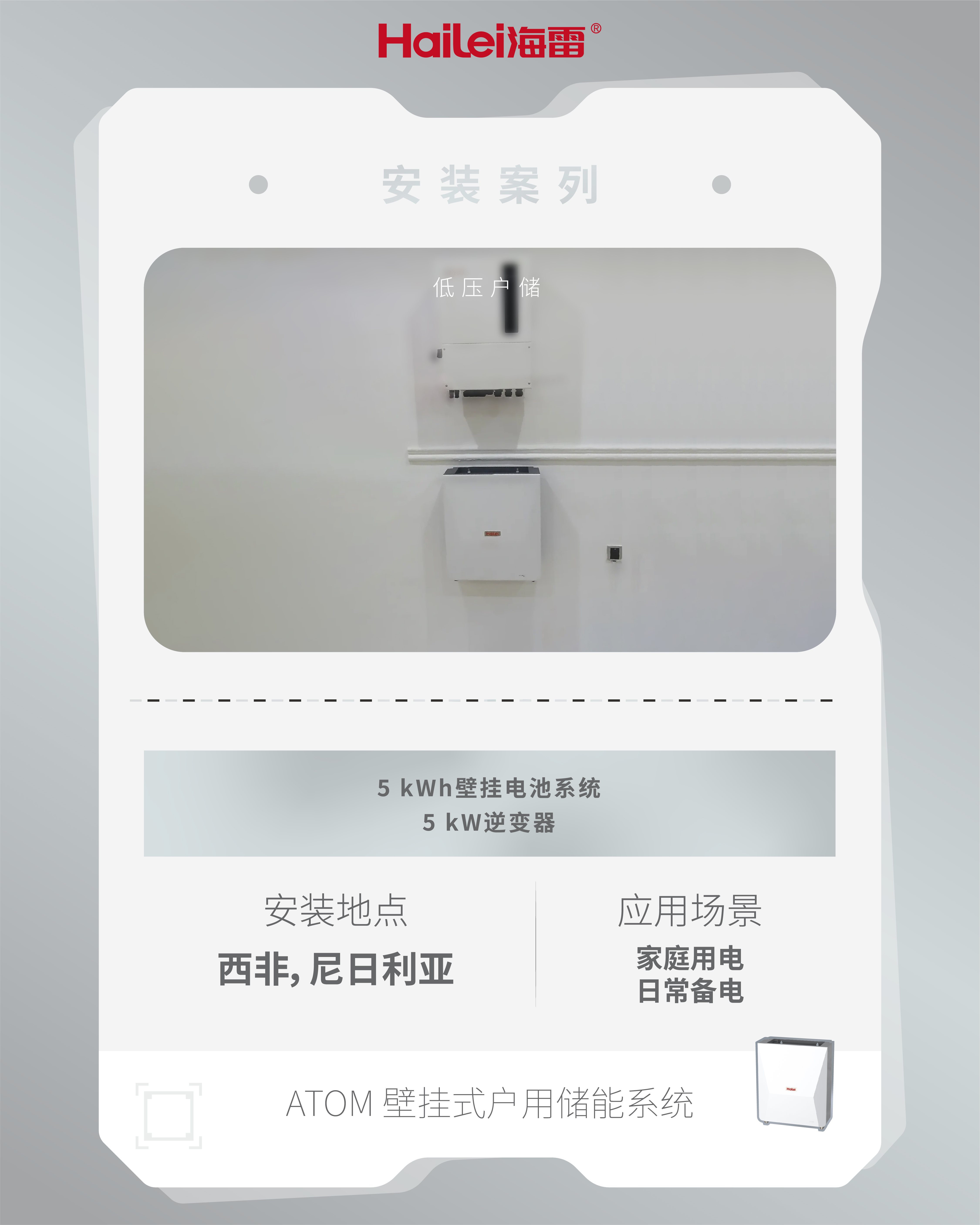
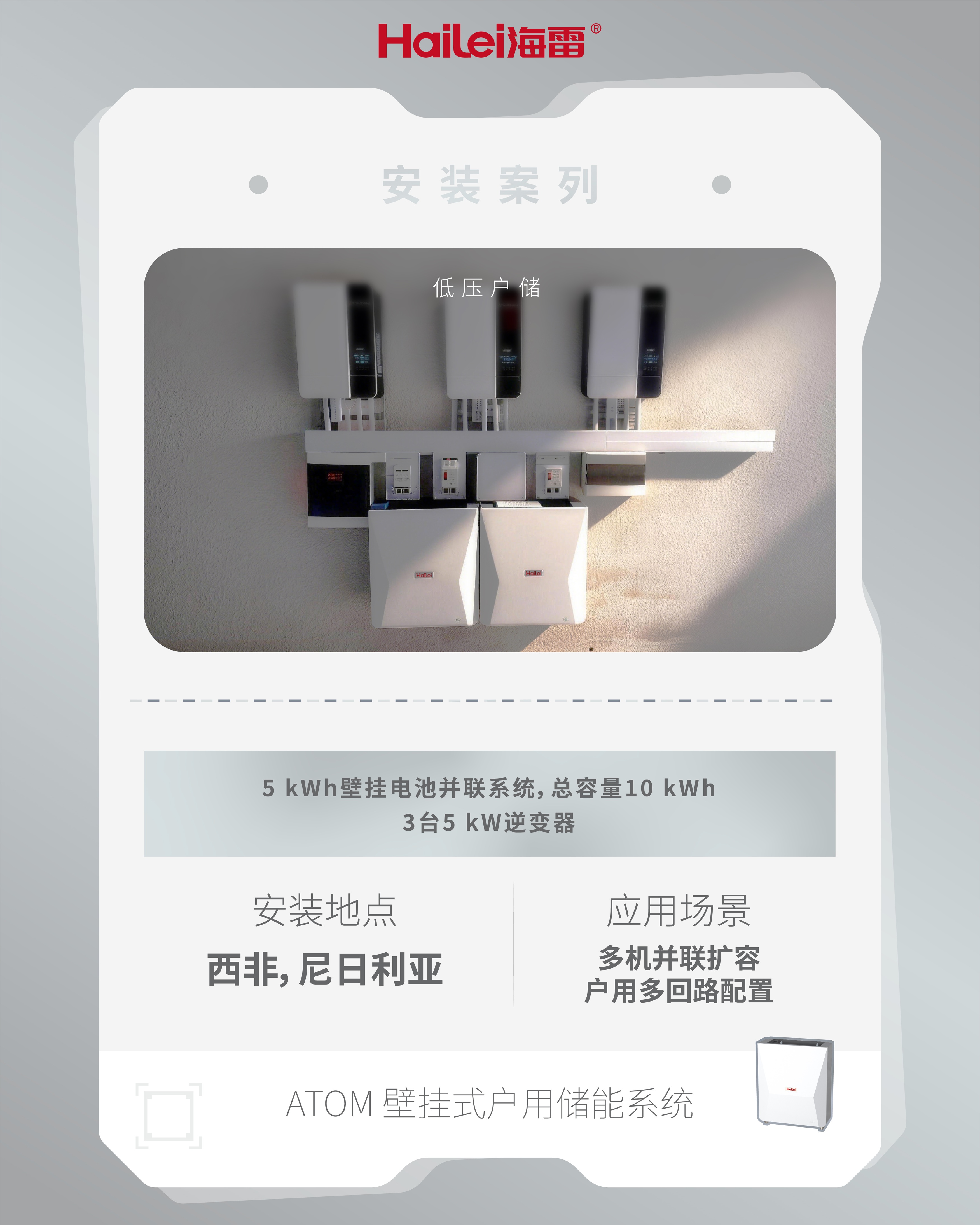
Nigeria has continued to advance power-market reform and electricity infrastructure development. Key initiatives include the National Integrated Electricity Policy (NIEP), the Distributed Access through Renewable Energy Scale-up (DARES) program, and broader growth in distributed renewable-energy solutions.
In 2026, the Nigerian Electricity Regulatory Commission (NERC) also issued the Net Billing Regulations 2026, establishing a framework for prosumer participation and creating additional support for customer-side renewable energy development.
· Greater energy autonomy for households and businesses
· More diverse use cases for solar and battery storage
· Faster adoption of distributed energy solutions
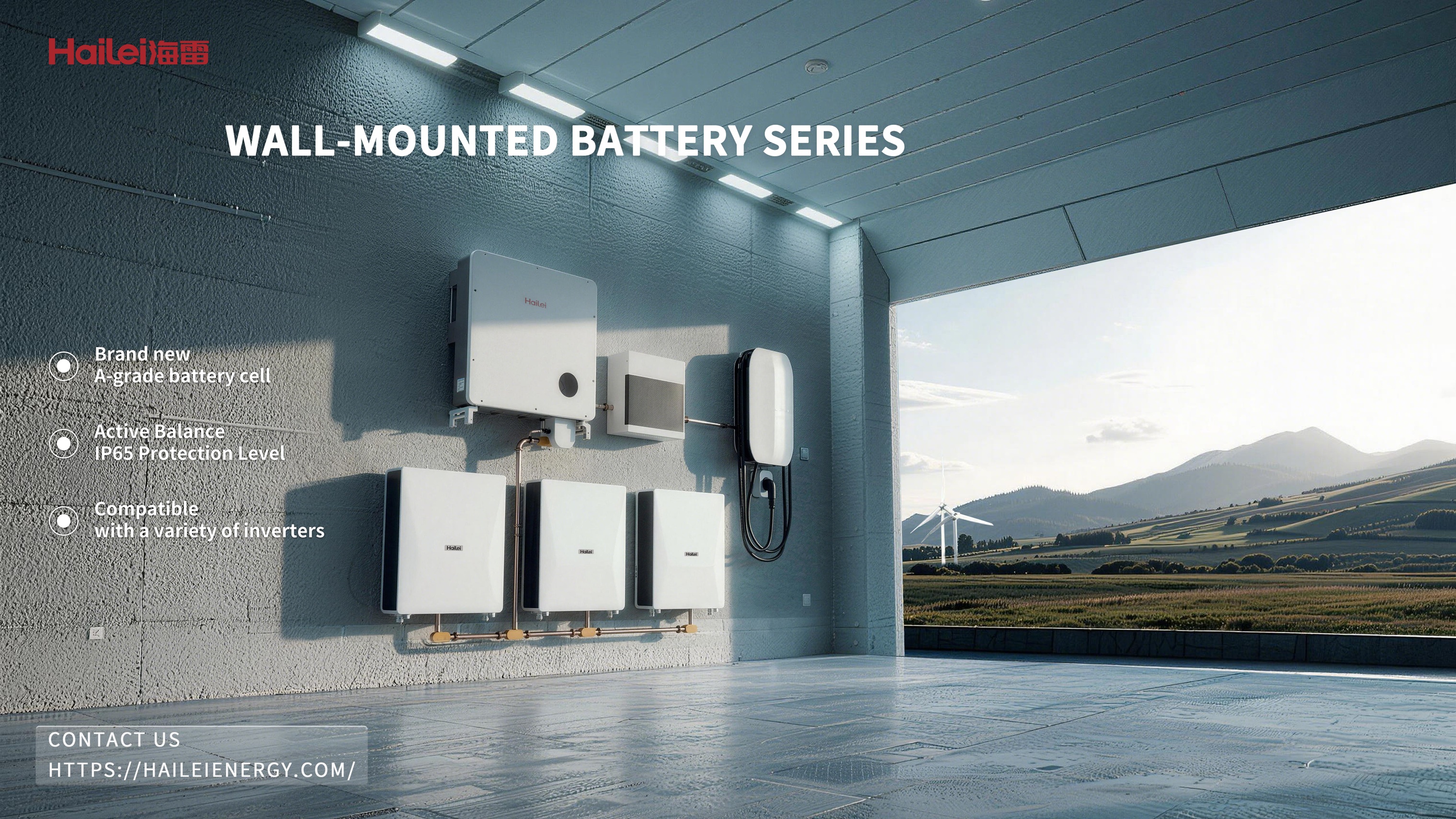
Across Hailei’s residential energy storage projects, customer needs are remarkably consistent:
· Keeping lighting and essential appliances running during outages
· Maintaining more stable electricity supply at night
· Reducing dependence on generators
A typical operating pattern may include:
· Daytime: solar supplies loads while excess energy is stored in the battery
· Nighttime or outages: the battery supplies household loads
· When grid power returns: the system switches back and recharges as required
For users, the real change is not simply whether electricity is available—it is whether daily life can remain continuous and predictable.
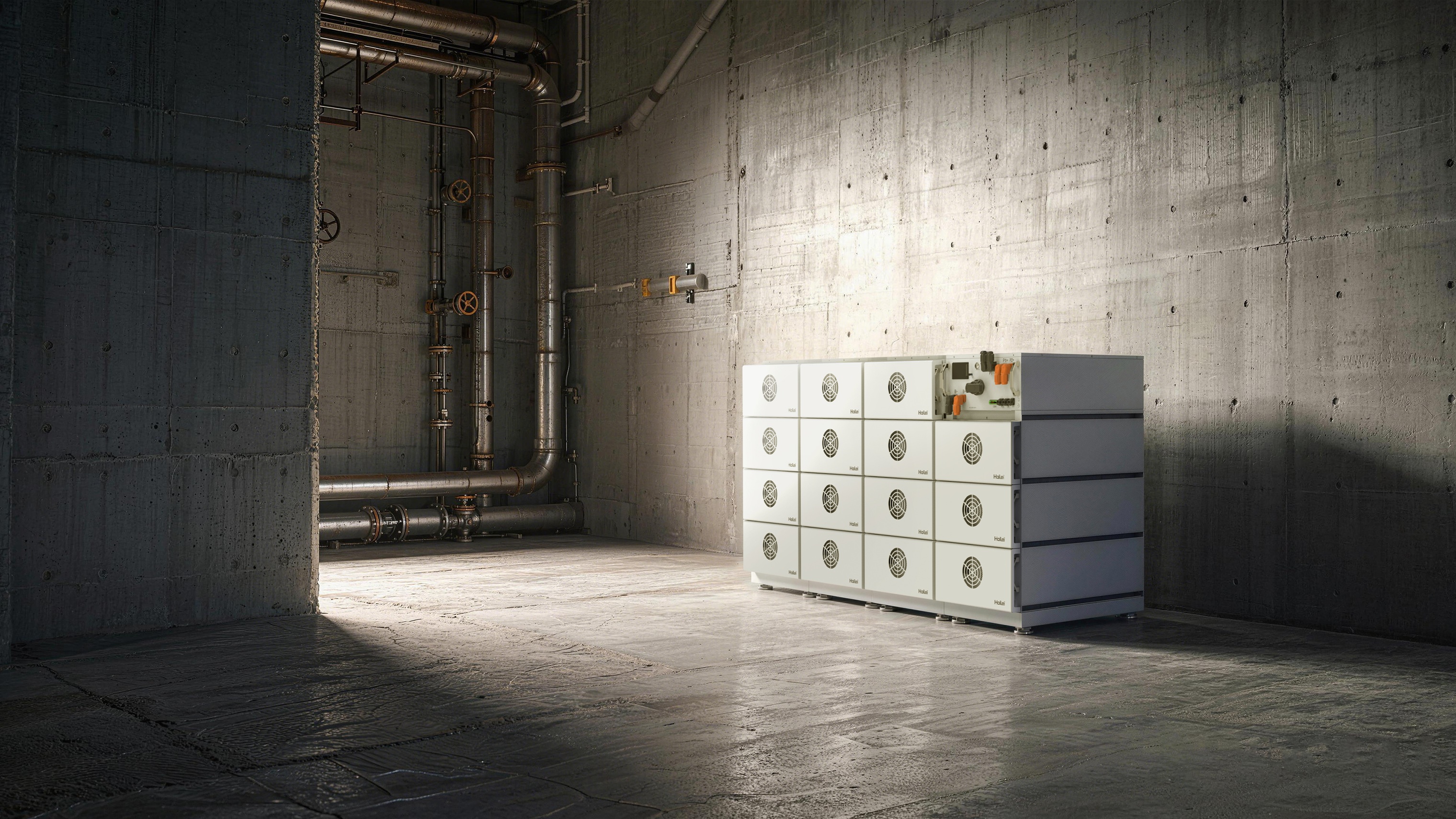
For commercial and industrial users, the equation is often even more direct: an outage can mean interrupted operations and higher costs.
Hailei’s local C&I projects are mainly used in:
· Small commercial facilities
· Light industrial and processing applications
· Equipment and systems that require continuous power
Energy storage can help:
· Reduce operational losses caused by outages
· Provide continuous power for critical loads
· Work with solar PV to help reduce long-term energy costs
· Reduce dependence on diesel generators
The goal is to move from passively responding to outages to actively managing energy.
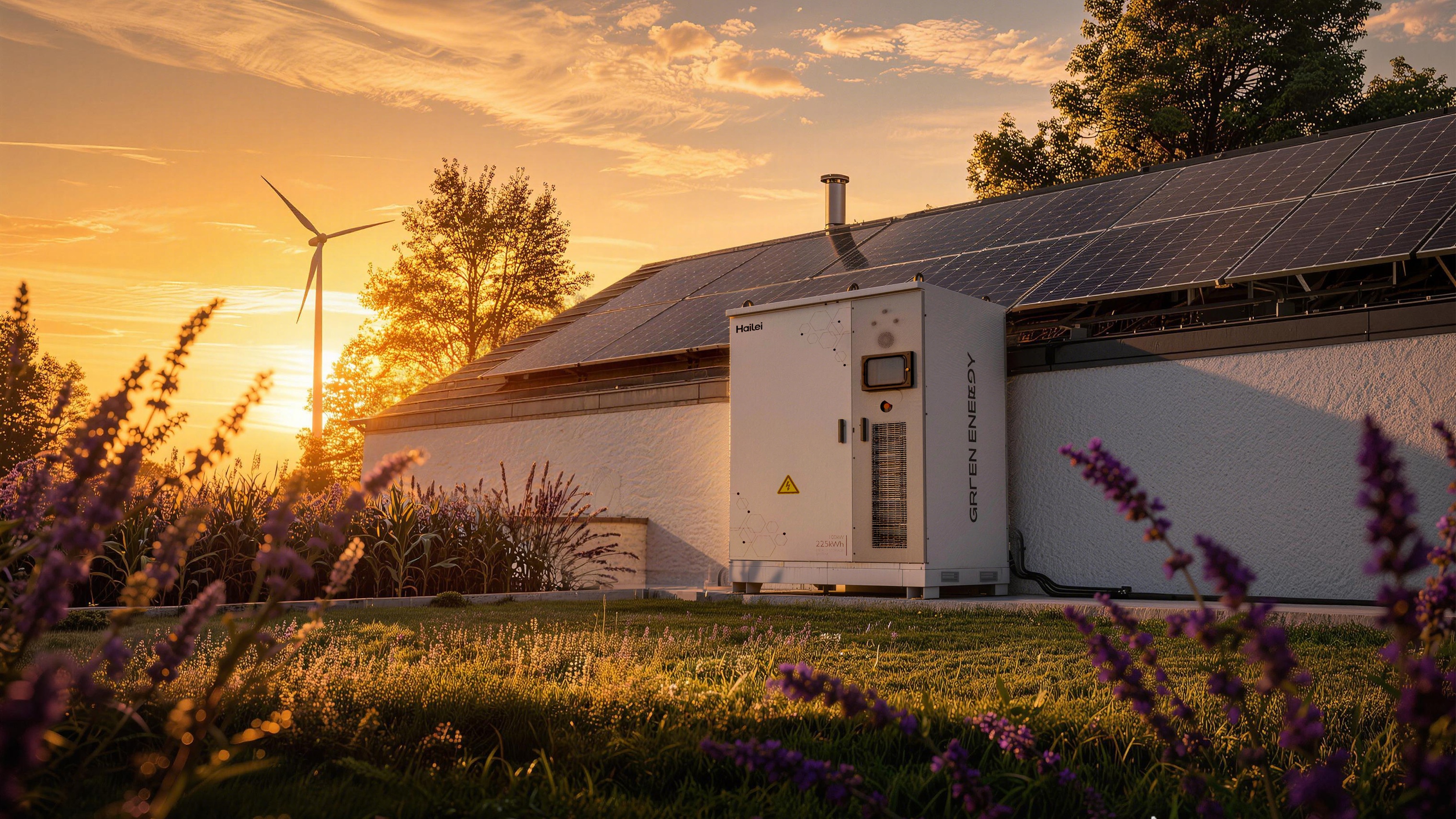
Across West Africa, households and businesses are placing greater emphasis on power reliability, energy autonomy, and long-term energy-cost management.
Hailei will continue to focus on the practical needs of West African and other emerging markets, combining local application requirements with stable, flexible, and deployable energy storage solutions.


Be the first to receive our latest news, how-to user guides, and exclusive deals! Subscribe now.


X


Appointment Experience

 English


